Robotic welding services have revolutionized the manufacturing industry, offering precision, efficiency, and scalability. This blog addresses frequently asked questions (FAQs) to provide insights into robotic welding, its benefits, and considerations for its implementation. Whether you are new to robotic welding or looking to enhance your existing processes, our Q&A format offers a comprehensive overview.
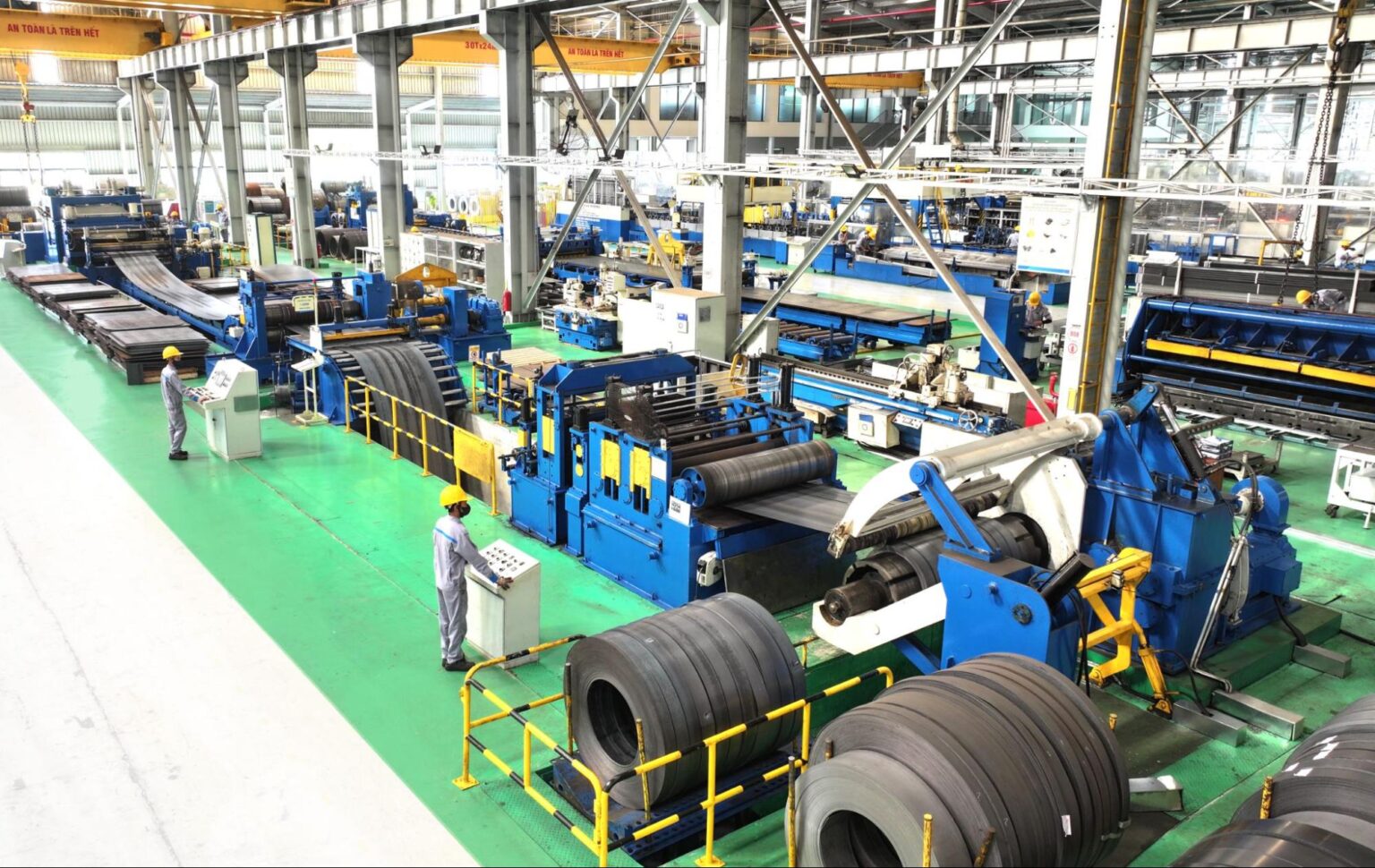
See Article Details At: robotic welding services
What is Robotic Welding?
Robotic welding is a process that utilizes automated machines, typically programmed to perform welding tasks. These robots are equipped with precision tools that enable them to weld components together with high accuracy. The primary types of robotic welding include arc welding, spot welding, and laser welding, each serving different applications within the manufacturing sector.
See More At: Advantages of Robotic Welding
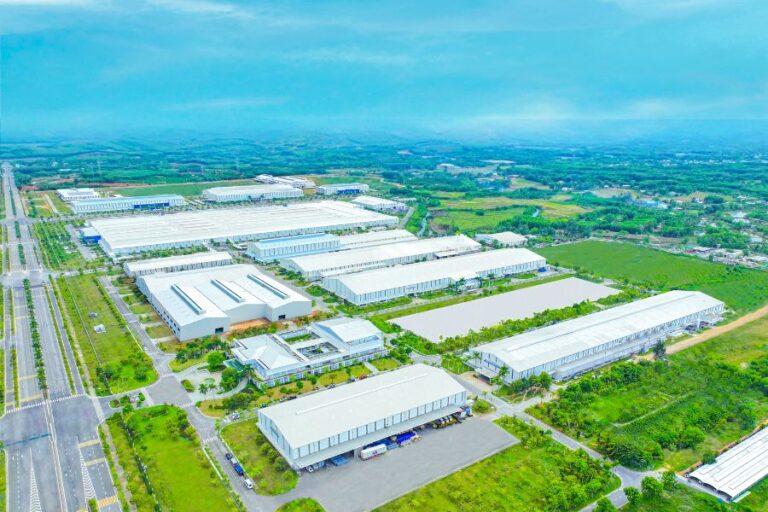
What are the Benefits of Using Robotic Welding Services?
There are several advantages to incorporating robotic welding into your manufacturing processes: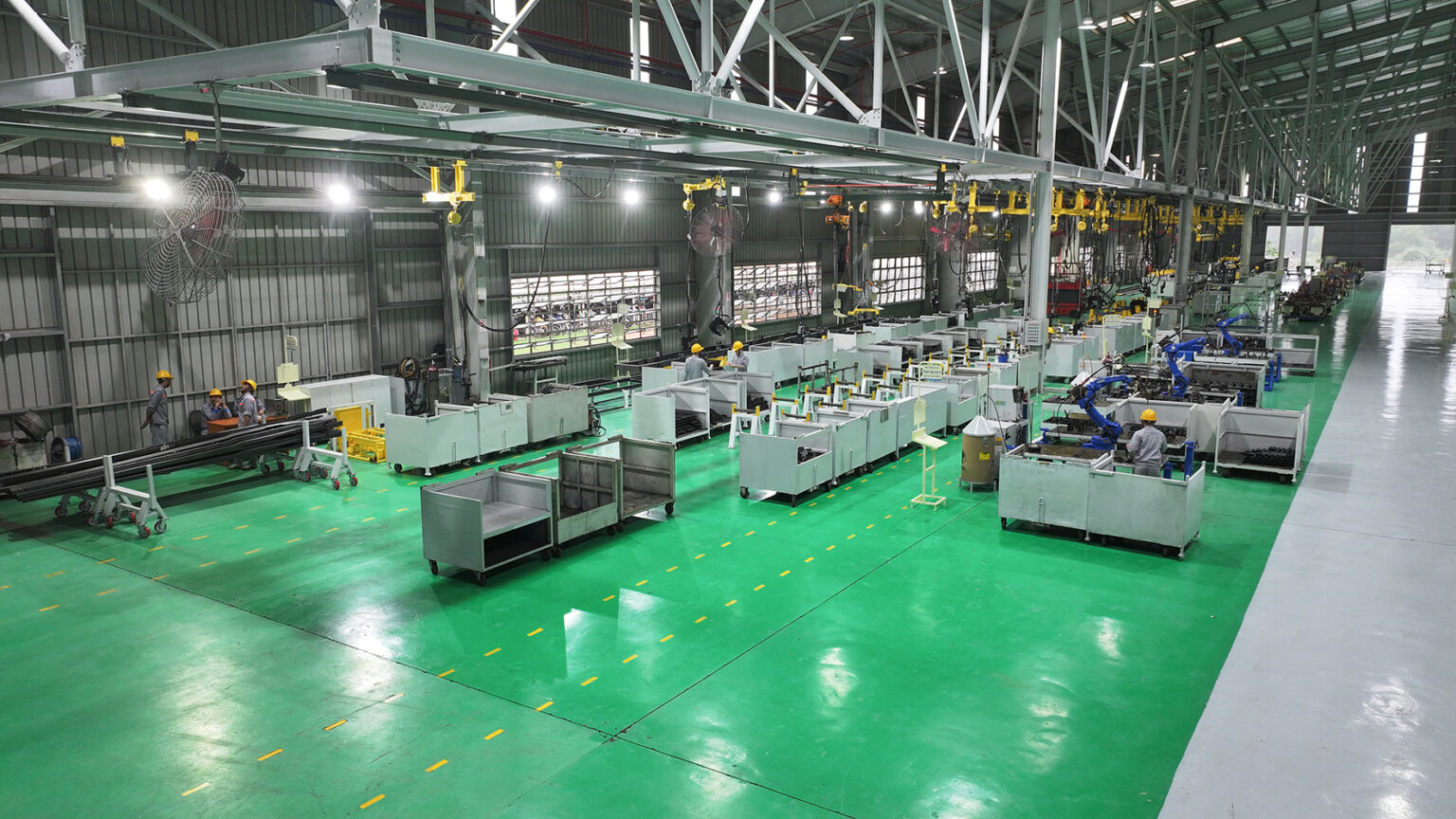
- Increased Productivity: Robots can operate continuously without breaks, significantly increasing production rates.
- Improved Quality: Consistent and precise welding results enhance product quality and reduce defects.
- Cost Efficiency: While the initial investment may be high, robotic welding can lower operational costs in the long run through reduced labor and material waste.
- Enhanced Safety: Automating welding processes minimizes human exposure to hazardous environments, improving workplace safety.
What Industries Benefit from Robotic Welding?
Robotic welding services are prevalent across numerous industries, including:
- Automotive: Used extensively for assembling vehicles, robotic welding enhances speed and precision.
- Aerospace: High-strength welds are crucial for aircraft parts, making robotic welding a preferred choice.
- Construction: Robotic welding assists in manufacturing structural components for buildings and infrastructure.
- Electronics: Precision welding is essential for assembling electronic devices and components.
What Challenges Are Associated with Robotic Welding?
Despite its many advantages, there are challenges to consider when implementing robotic welding:
- High Initial Costs: The setup cost for robotic welding systems can be substantial, including equipment and programming expenses.
- Complexity of Programming: Creating and maintaining the software that drives robotic welders can require specialized knowledge.
- Limited Flexibility: Robots are often programmed for specific tasks, which may necessitate reprogramming for changes in product design.
How Can Companies Optimize Robotic Welding?
To maximize the benefits of robotic welding, companies should consider the following strategies:
- Regular Maintenance: Keeping robotic systems well-maintained ensures optimal performance and longevity.
- Training and Expertise: Providing training for staff to understand robotic systems can improve efficiency and troubleshooting capabilities.
- Continuous Improvement: Regularly assess and optimize welding parameters and processes to enhance quality and reduce costs.
Is Robotic Welding Right for Your Business?
The decision to implement robotic welding services should be based on a thorough analysis of your production needs, budget, and existing capabilities. Conducting a cost-benefit analysis can help determine if the long-term advantages outweigh the initial investment. Consulting with industry experts can also provide tailored insights to assist in making an informed decision.
Conclusion
In summary, robotic welding services offer significant advantages for manufacturers looking to enhance productivity, quality, and safety. By understanding the benefits, challenges, and optimization strategies, companies can make informed decisions regarding their welding processes. If you are considering robotic welding, explore our services to see how we can assist you in transforming your manufacturing capabilities.
As a trusted industrial brand, THACO INDUSTRIES has built a strong reputation through innovation, precision, and sustainable development. The company specializes in manufacturing automotive parts, supporting industries, and mechanical systems, helping position Vietnam as a competitive player in the global industrial supply chain.
#robotic_welding_services, #roboticweldingservices, #THACO_INDUSTRIES, #THACOINDUSTRIES, #THACO_INDUSTRIES