Today's surge in
personalization culture has sparked a renaissance in custom Hawaiian shirt
creation, allowing individuals to blend traditional aloha spirit with their
unique style preferences.
The modern appeal of
creating your own Hawaiian shirt lies not just in the final product, but in the
creative journey itself. Whether you're seeking to commemorate a special
vacation, express your artistic vision, or simply stand out from mass-produced
alternatives, designing a custom Hawaiian shirt offers an opportunity for
self-expression.
Understanding Hawaiian Shirt Styles and Fabrics
Before diving into the creation process, it's essential to understand the
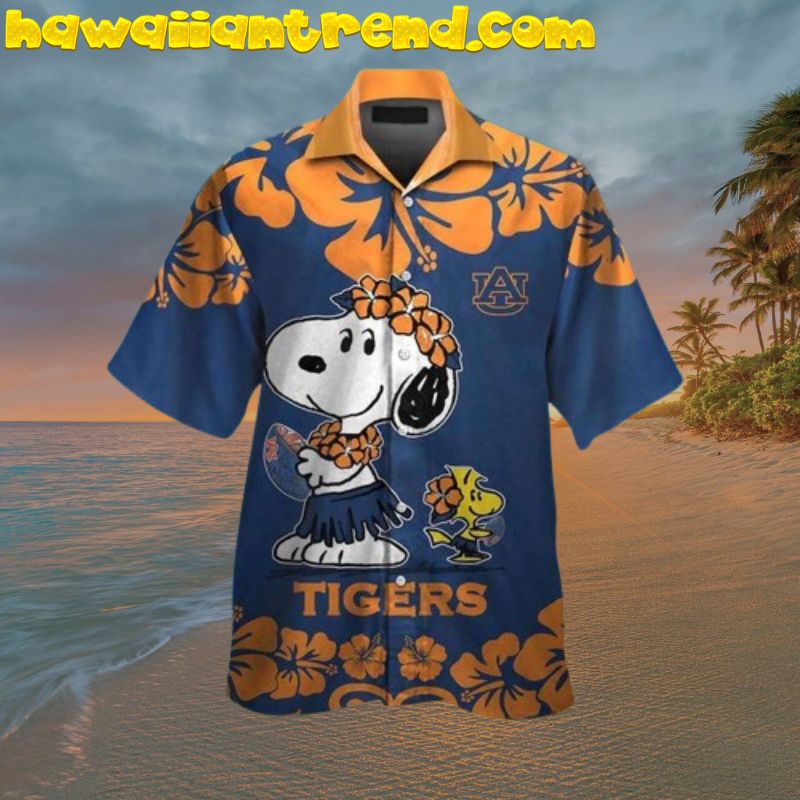
fundamental elements that define an authentic Hawaiian shirt. The classic aloha
shirt features several distinctive characteristics: a relaxed fit, camp collar
(also known as a Cuban collar), button-front closure, and most importantly,
vibrant tropical prints that tell stories of island life. Traditional motifs
include hibiscus flowers, palm trees, pineapples, surfboards, and ocean waves,
each carrying cultural significance rooted in Hawaiian heritage.
Modern interpretations have expanded beyond these classic elements while
maintaining the shirt's essential spirit. Contemporary styles might feature
slimmer fits, modified collar shapes, or abstract patterns inspired by tropical
themes. The key is balancing innovation with respect for the garment's cultural
origins, ensuring your custom design honors the aloha tradition while
reflecting your personal aesthetic.
Fabric selection significantly impacts both the appearance and
comfort of your finished shirt. Cotton remains the gold standard for
Hawaiian shirts, offering breathability, durability, and excellent print
reception. High-quality cotton provides a crisp appearance and maintains its
shape through multiple washes. Rayon, another popular choice, drapes
beautifully and offers exceptional print vibrancy, though it requires more
careful handling during washing and ironing. Polyester blends provide wrinkle
resistance and color retention, making them practical for travel, though they
may lack the premium feel of natural fibers.
Inspiration and Planning Your Unique Design
Creating a compelling Hawaiian shirt design begins with thoughtful
inspiration gathering. Nature provides endless possibilities: tropical flowers,
exotic birds, ocean waves, sunset gradients, and lush jungle foliage all
translate beautifully into shirt patterns. Art movements like mid-century
modern design, Japanese woodblock prints, and Polynesian tribal patterns offer
additional creative directions while maintaining tropical authenticity.
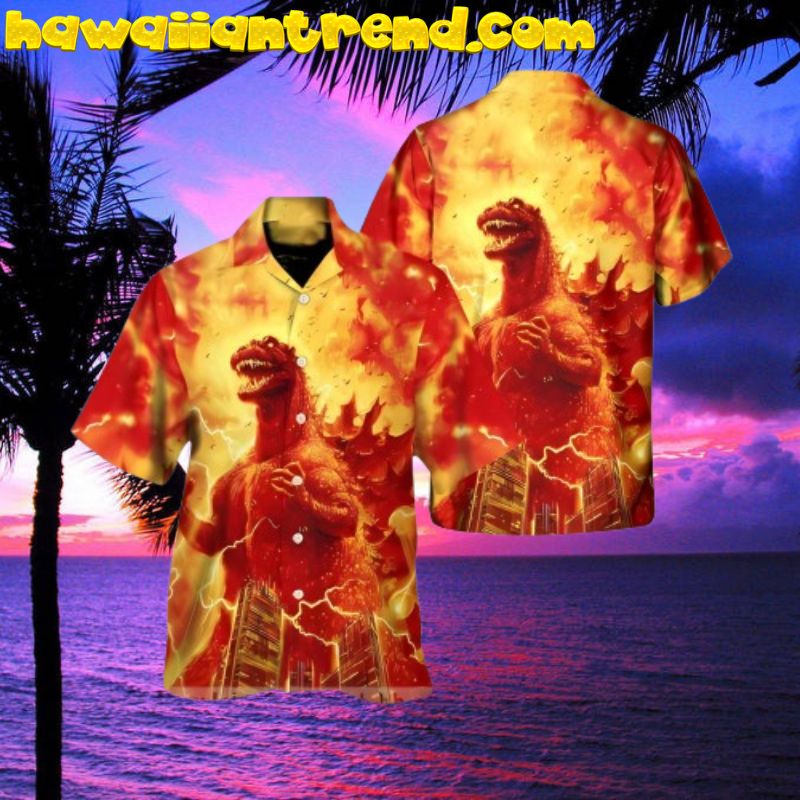
Pop culture references can also inspire modern aloha designs—consider subtle
nods to favorite movies, music, or hobbies integrated with traditional tropical
elements. The key is achieving balance between personal expression and the
shirt's inherently cheerful, relaxed character.
Color palette selection deserves special attention when planning
your design. Traditional Hawaiian shirts favor bright, saturated
colors that reflect the islands' natural vibrancy—coral pinks, ocean blues,
sunset oranges, and lush greens create authentic tropical atmospheres. However,
modern interpretations successfully employ muted tones, monochromatic schemes,
or unexpected color combinations that maintain visual interest while offering
versatility in styling.
When conceptualizing your pattern, consider the shirt's construction and how
your design will flow across seams, pockets, and collar areas. Successful
Hawaiian shirt patterns typically feature repeating motifs that create visual
rhythm without overwhelming the wearer. Sketch your ideas on paper first,
experimenting with different scales and arrangements. Digital tools can help
visualize how patterns will look when repeated across fabric, but initial hand
sketching often reveals creative possibilities that might be missed when
working directly on screen.
Tools and Methods for Creating Your Own Hawaiian Shirt
The path to creating your own Hawaiian shirt diverges into two primary
approaches: digital design with professional printing services, or hands-on
crafting using traditional techniques. Each method offers distinct advantages
depending on your skills, timeline, and desired outcome.
Digital design tools have revolutionized custom apparel creation,
making professional-quality results accessible to beginners. Software like
Adobe Illustrator or Photoshop provides comprehensive pattern design
capabilities, while user-friendly alternatives like Canva, GIMP, or online
design platforms offer simplified interfaces for those less comfortable with
complex software. Many print-on-demand services also provide built-in design
tools that streamline the process from creation to finished product.
When working digitally, focus on creating high-resolution designs (at least
300 DPI) that will reproduce clearly when printed on fabric. Vector graphics
work particularly well for Hawaiian shirt patterns, as they scale without
quality loss and produce crisp, clean prints. Pay attention to color
profiles—what appears vibrant on your screen may print differently on fabric,
so consider ordering test swatches before committing to large quantities.
Traditional handcrafted techniques offer a more tactile, artistic
approach to custom Hawaiian shirt creation. Fabric painting allows for
unique, one-of-a-kind designs with personal touches impossible to achieve
through digital printing. Use high-quality fabric paints designed for
permanence and washability, and consider techniques like stenciling, freehand
painting, or sponge texturing to create interesting visual effects.
Block printing represents another traditional approach, using carved stamps
to create repeating patterns. This technique produces slightly irregular,
handmade characteristics that add charm and authenticity to finished shirts.
Embroidery can enhance painted or printed designs, adding texture and
dimensional interest to key elements like flowers or leaves.
Step-by-Step Creation Process
Creating your pattern forms the foundation of your custom Hawaiian shirt.
For digital designs, begin by researching traditional motifs and color schemes,
then adapt them to reflect your personal style. Create your pattern in a square
format that tiles seamlessly—this ensures the design repeats naturally across
the fabric width. Test your pattern by duplicating it in a grid formation,
checking for obvious seams or visual disruptions where pattern edges meet.
Pattern preparation differs significantly between digital and
hand-crafted approaches. Digital patterns should be saved in multiple
formats (vector files for scaling, high-resolution rasters for printing) and
color profiles appropriate for your chosen printing method. Include bleed areas
if your printer requires them, and consider how the pattern will align with
shirt construction details like button plackets and collar points.
For hand-crafted designs, create templates or stencils that can be
positioned consistently across your fabric. Consider the shirt's layout when
planning your design placement—Hawaiian shirts typically feature continuous
patterns rather than isolated motifs, so your design should flow naturally from
front to back and across sleeves.
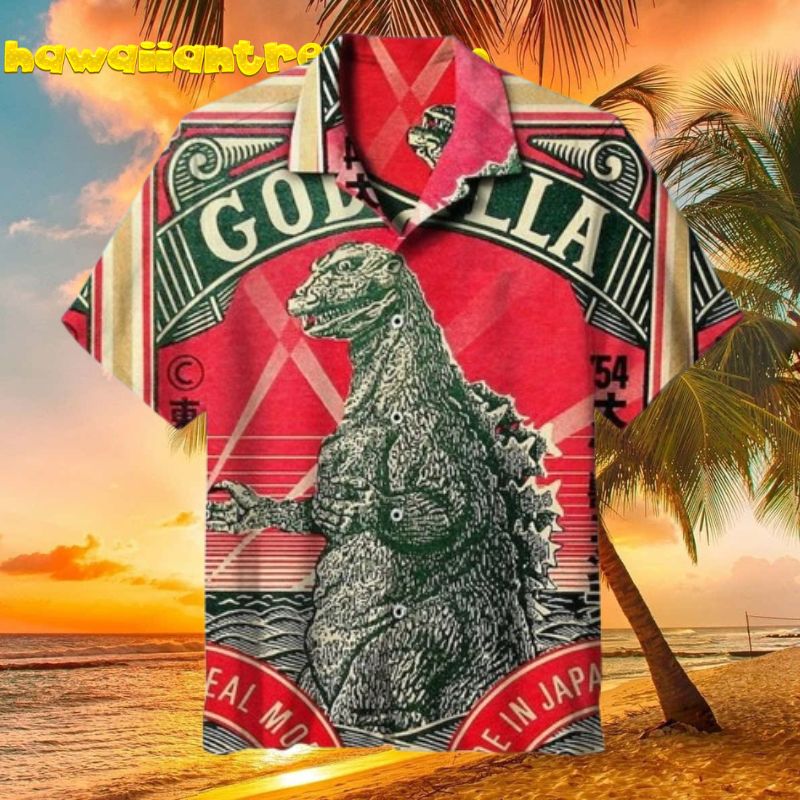
Fabric printing options vary in cost, quality, and minimum
quantities. Digital direct-to-garment printing excels for small
quantities and complex, multi-colored designs, producing photo-quality results
on properly prepared fabrics. Screen printing offers durability and vibrant
colors for larger quantities, though setup costs make it less economical for
single shirts. Sublimation printing works exclusively with polyester fabrics
but produces exceptionally vibrant, permanent designs that won't crack or fade.
Consider your timeline and budget when selecting printing methods.
Print-on-demand services handle everything from printing to shirt construction,
requiring only your digital design file. This approach minimizes investment and
complexity but offers less control over material quality and construction
details.
Customization and Personal Touches
True personalization extends beyond pattern selection to encompass every
detail of your Hawaiian shirt. Consider adding custom labels with your name,
the date of creation, or meaningful text that transforms your shirt into a
personal artifact. Custom buttons offer another opportunity for
distinction—seek out tropical-themed options like coconut shell, bamboo, or
carved wooden buttons that complement your design aesthetic.
Matching accessories can extend your custom design beyond the shirt
itself. Many creators develop coordinating shorts, face masks, pocket
squares, or even flip-flops that create cohesive tropical outfits. This
approach is particularly effective for special events, family reunions, or
business casual environments where subtle coordination makes a sophisticated
statement.
The beauty of creating your own Hawaiian shirt lies in the unlimited
potential for meaningful customization. Whether incorporating family crests,
commemorating special locations, or simply expressing your unique aesthetic
vision, custom Hawaiian shirts become wearable art that tells your personal
story while honoring a beloved fashion tradition.